Pietrasanta is compact enough for an unhurried half-day, yet its streets hold far more art than many larger cities. Medieval buildings, working sculpture traditions and changing contemporary exhibitions all meet around Piazza Duomo.
Come for the square and the Museo dei Bozzetti, then let the public sculptures, galleries and café tables set the pace. Lunch fits naturally into the visit; the beach at Marina di Pietrasanta can turn it into a full day.
Time needed
4 to 6 hours
Drive
About 40 minutes
Walking
About 2 to 3 km
Best season
All year
The simple route
Walk from the old gate to the square, then follow the art
10 minutesPiazza DuomoTake in the cathedral, bell tower, Sant’Agostino and whatever art has arrived.
45 to 60 minutesMuseo dei BozzettiSee how a sculptor’s first model becomes a finished work in marble or bronze.
60 to 90 minutesSculpture walkLoop through Piazza Matteotti, Piazza Statuto and the lanes between them.
Finish slowlyLunch or aperitivoReturn to the old centre and choose a table among its restaurants and wine bars.
One square, several centuries
Begin by standing still in Piazza Duomo
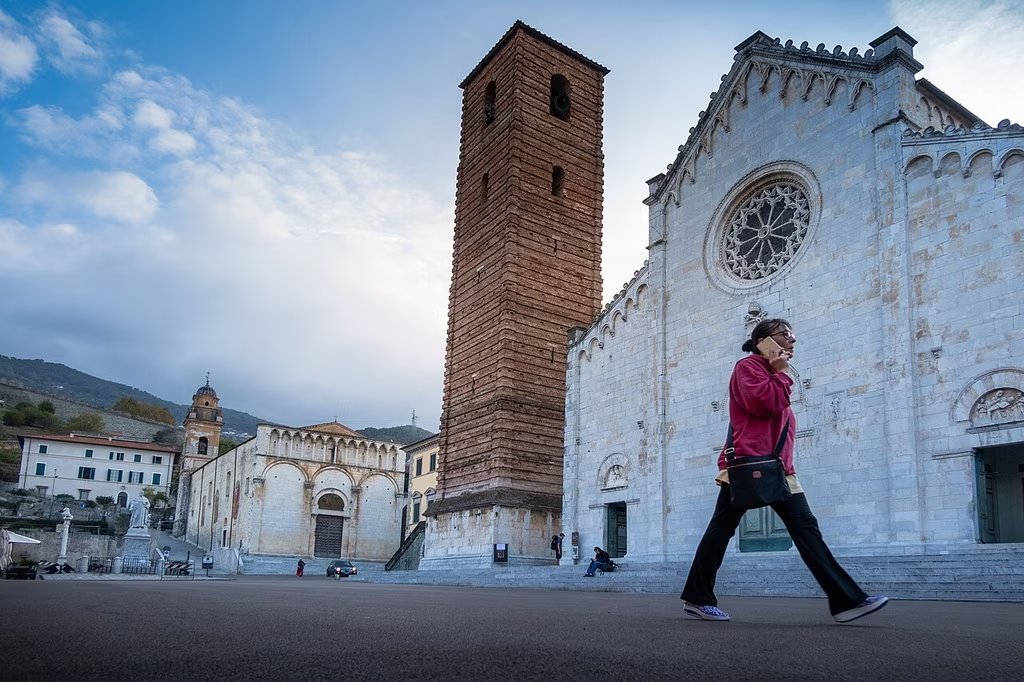
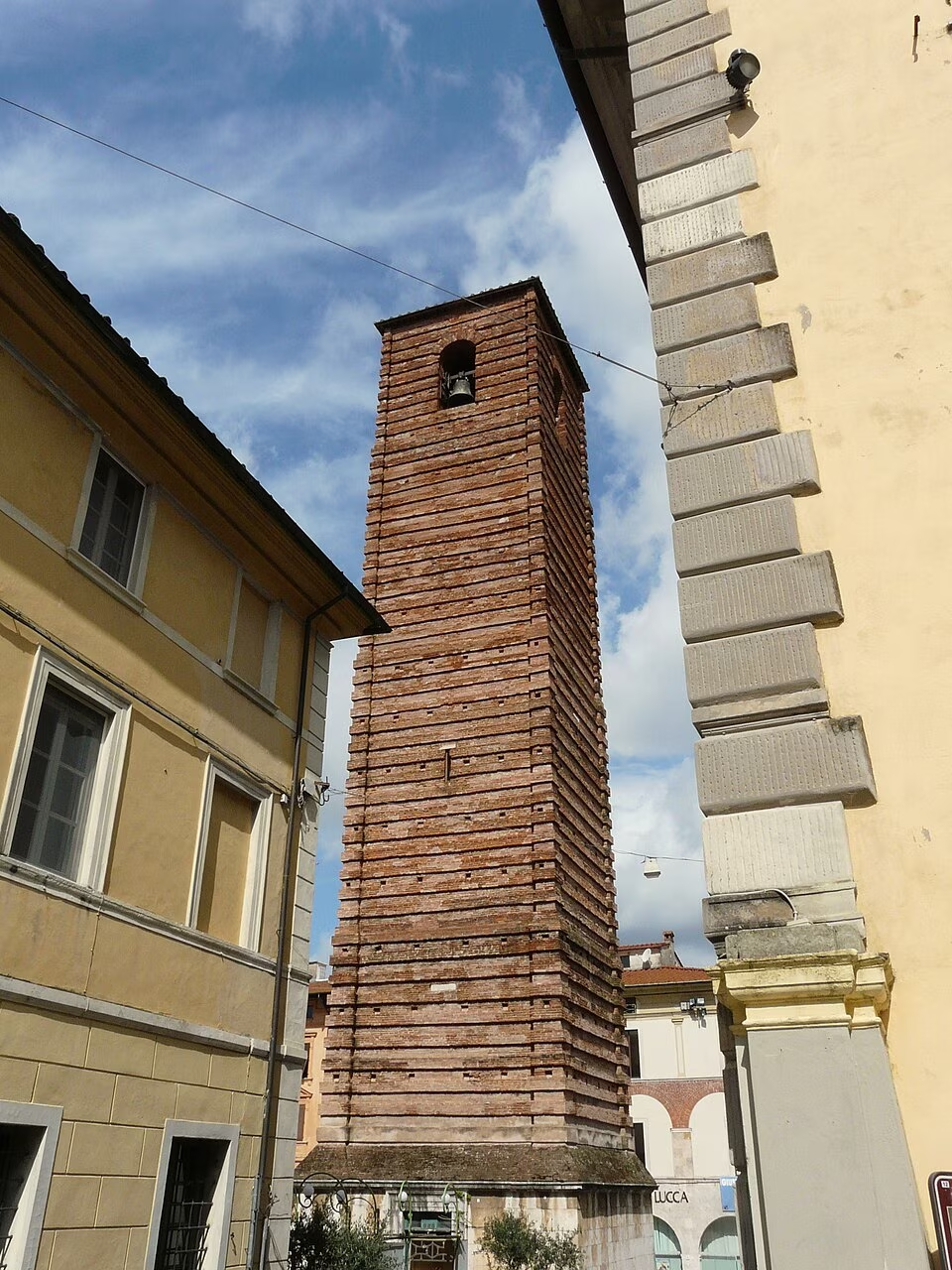
The square explains Pietrasanta at a glance. The white-marble Duomo di San Martino and its plain brick campanile face the former church and convent of Sant’Agostino. Contemporary sculpture sits comfortably between them, sometimes as one monumental work and sometimes as an entire temporary exhibition.
Walk around the edges before entering anything. Notice how marble appears in façades, paving, fountains and sculpture, linking the historic town to the Apuan Alps rising behind it.
Do not rush the first ten minutes. The square is the town’s best introduction and a useful place to see which exhibition spaces are open.
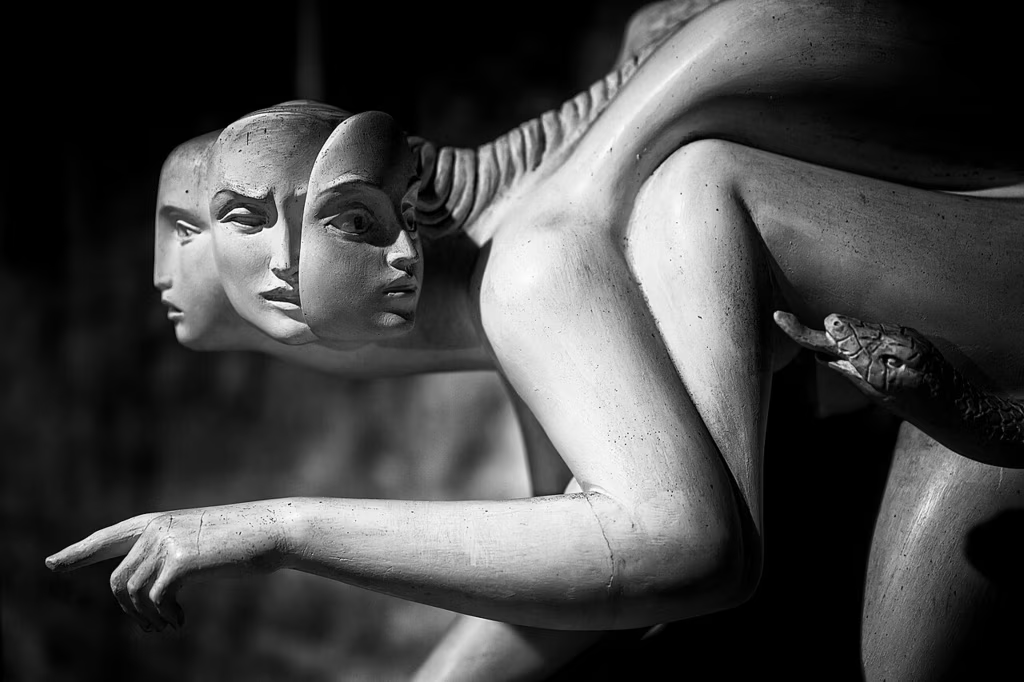
The marble cathedral, brick bell tower and Sant’Agostino share Piazza Duomo with changing contemporary art.The models reveal the ideas, revisions and craft behind sculptures later made at full scale.
The idea before the monument
The Museo dei Bozzetti makes sculpture easier to read
A bozzetto is a sculptor’s model: the first physical version of an idea before artisans enlarge it in marble or cast it in bronze. Pietrasanta’s museum gathers hundreds of these models by international artists who worked with the area’s workshops and foundries.
The collection is compelling because it shows process rather than polish. Look for tool marks, changes of scale and the different ways artists solve weight, balance and movement. Even a short visit changes how you see the works outside.
Pietrasanta’s International Park of Contemporary Sculpture spreads through squares, streets and public gardens. Permanent works by artists including Fernando Botero and Igor Mitoraj sit alongside installations that change with the exhibition calendar.
From Piazza Duomo, make an easy loop through Via del Marzocco, Piazza Carducci, Piazza Matteotti and Piazza Statuto. The official sculpture map is useful, but the better habit is to keep looking down side streets and into courtyards.
Look inside the small Chiesa della Misericordia. If it is open, Fernando Botero’s two frescoes are an unexpected counterpoint to his bronze Il Guerriero nearby.
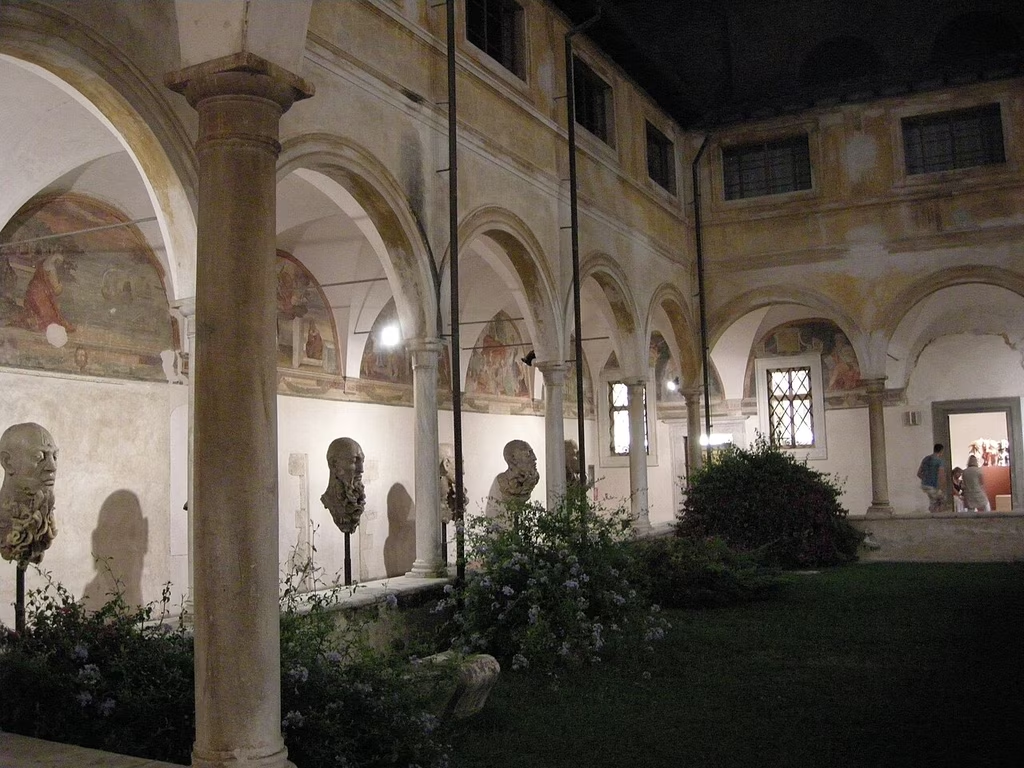
Sculpture continues through the cloister of Sant’Agostino, just off Piazza Duomo.
Three details worth finding
Historic architecture still holds its ground
The brick campanile
Its severe exterior hides a remarkable internal helical stair designed without a central supporting column.
Rocchetta Arrighina
The small fourteenth-century fortress beside Porta a Pisa marks the transition from station to old town.
Botero’s frescoes
Paradise and Hell bring the artist’s rounded figures into a tiny church near Piazza Matteotti.
The town changes after dark
Stay for dinner when the square begins to glow
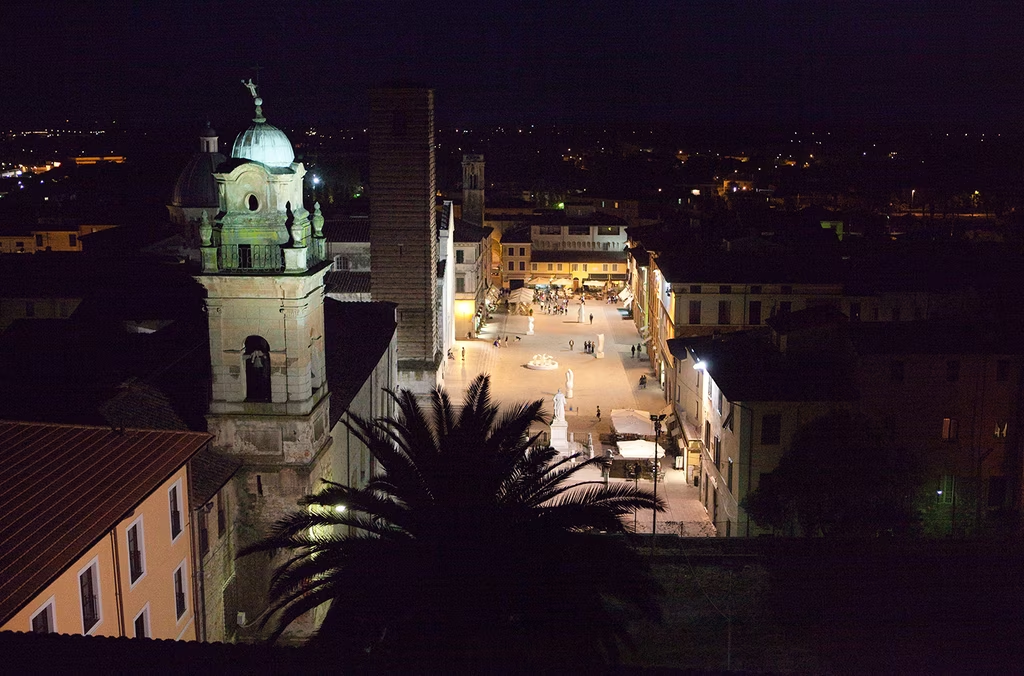
Pietrasanta is not merely a daytime museum stop. Evening brings people back into the centre, sculptures acquire new shadows and Piazza Duomo becomes a stage for dinner, conversation and summer exhibitions.
Piazza Duomo seen across Pietrasanta after dark.The campanile’s brick shell conceals its extraordinary spiral interior.
Choose your pace
A focused art visit or a full Versilia day
Half-day
Old town, museum and lunch
9:30Leave La Limonaia
10:10Park near the station
10:30Piazza Duomo and Sant’Agostino
11:15Museo dei Bozzetti
12:30Sculpture walk and lunch
Full day
Add Marina di Pietrasanta
10:00Explore the historic centre
11:00Visit the museum and galleries
13:00Lunch in Pietrasanta
15:00Drive to the Marina
18:00Return or stay for aperitivo
Treat these times as a shape for the day. Museum hours, exhibitions and summer traffic should determine the exact order.
Before you leave
Keep the visit easy
Park outside the centreThe station side gives a simple approach through Porta a Pisa and avoids the restricted streets.Check Monday hoursMuseums and galleries often have different Monday schedules or close between exhibitions.Allow for lunchThe old centre has enough good tables to make eating part of the visit, not a practical interruption.Separate town and beachUse the car for Marina di Pietrasanta; it is not a short continuation of the old-town walk.
Sources and image credits
We used current visitor information from the Comune di Pietrasanta, Museo dei Bozzetti and Visit Tuscany. Opening hours, parking rules and exhibitions change, so check the official pages before leaving.