Begin inside Villa La Petraia, then move to Castello for one of the defining gardens of the Italian Renaissance.
The two UNESCO-listed estates sit close together on the northern edge of Florence. They make a more satisfying pair than either does alone: Petraia supplies furnished rooms and sweeping terraces; Castello supplies fountains, citrus and a garden designed to express Medici power.
Time needed
5 to 7 hours
Drive
About 1 hour 10 minutes
Walking
About 2 to 3 kilometres
Best days
Tuesday to Sunday
The simple route
Bookend the fixed visit with two gardens
StartDrive to La PetraiaAllow about 1 hour 10 minutes from La Limonaia, plus a margin for Florence traffic.Open the full route →
60 minutesTour the villaJoin one of the fixed accompanied entries and see the covered courtyard and royal apartments.
45 to 60 minutesWalk the terracesExplore the formal levels below the villa and the Figurina garden beside it.
Short transferContinue to CastelloThe entrances are close, but use the car unless you have confirmed a convenient walking route.
60 to 90 minutesExplore CastelloFollow the central axis past fountains, citrus trees and the Grotto of the Animals.
Begin with the rooms
La Petraia combines Medici design with a lived-in royal villa
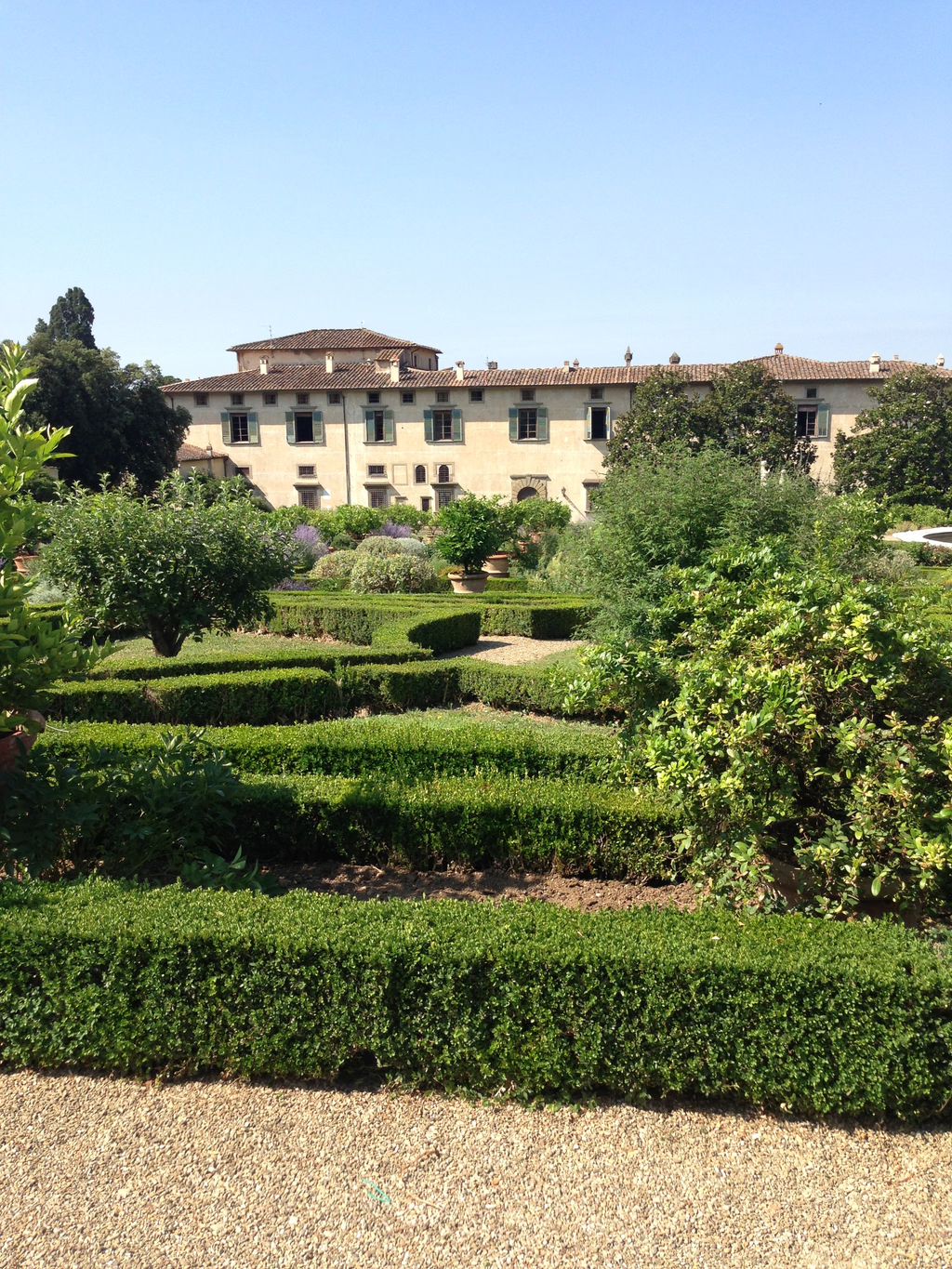
The square tower still reveals the building’s medieval origins. Ferdinando I transformed the fortified property into a grand country residence, with three formal terraces descending towards the Florence plain.
Inside, the central courtyard is the memorable space. Its fresco cycles celebrate the Medici, while the nineteenth-century glass roof recalls the villa’s later life as a Savoy residence. The furnished apartments feel different from the more archaeological experience of many Renaissance villas.
Do the interior first. Once you have met the fixed entry time, the terraces can be explored without watching the clock.
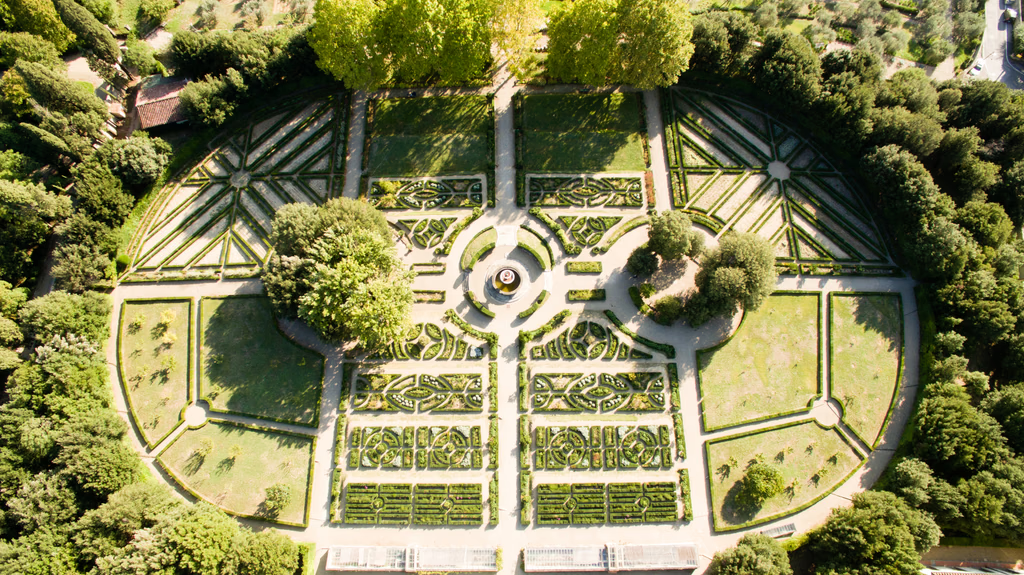
The three-level garden still follows the geometric structure created for Ferdinando I.Castello’s formal garden rises behind the villa, now home to the Accademia della Crusca.
The garden is the destination
Castello became a prototype for the Italian garden
Niccolò Tribolo designed the garden for Cosimo I as more than a pleasant retreat. Fountains, sculpture and water engineering formed an elaborate celebration of Medici rule over Tuscany.
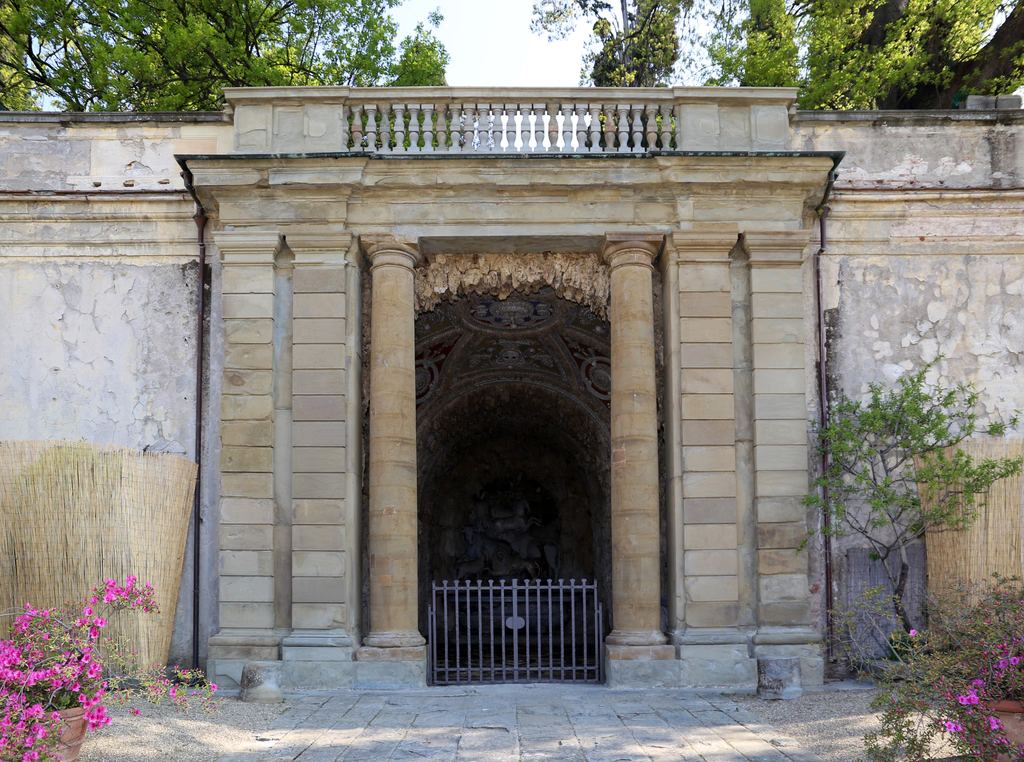
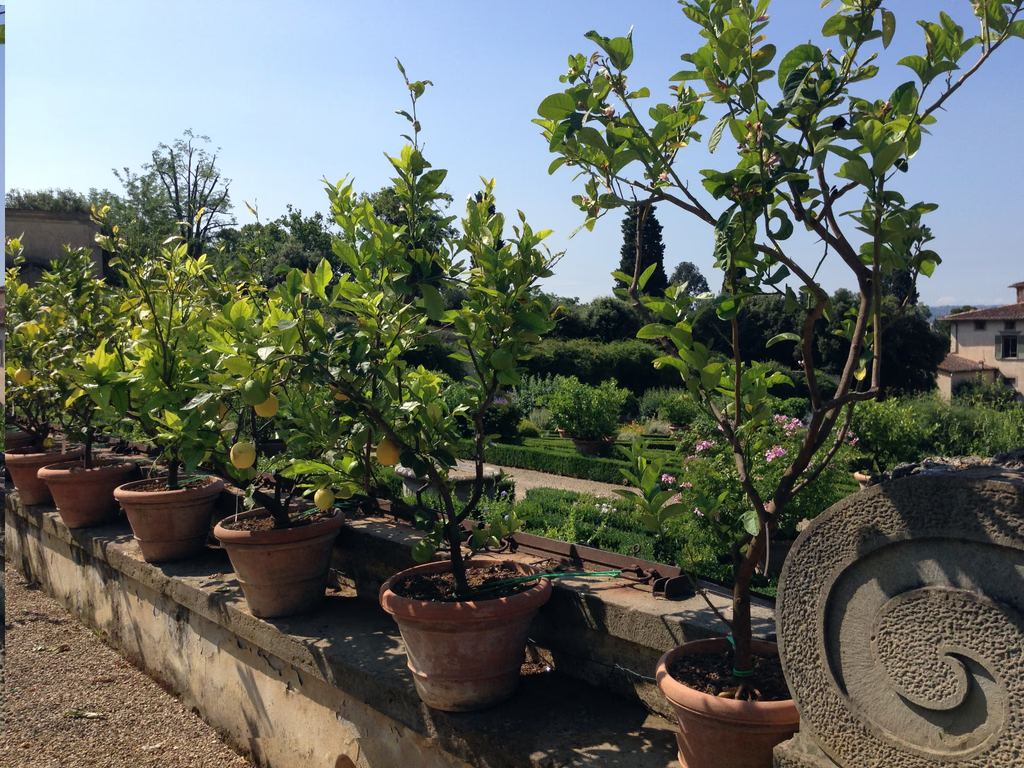
The central route leads from the Fountain of Hercules and Antaeus towards the extraordinary Grotto of the Animals. Higher ground becomes shadier and less formal. The historic citrus collection numbers around five hundred plants, including descendants of old Medici varieties.
Do not plan around seeing the villa interior. Botticelli painted Primavera and The Birth of Venus for this estate, but they are now in the Uffizi and the building is a working academy.
Giambologna’s bronze once crowned a Castello fountain. The original is protected inside Petraia; a later version stands in Petraia’s garden.
Hercules and Antaeus
The original bronze group from Castello is also kept at Petraia. The sculpture above Castello’s fountain is a copy.
Water and citrus
Tribolo’s hydraulic system animated Castello’s fountains, while the citrus collection turned cultivation into a display of knowledge and control.
Castello’s two signatures
A theatrical grotto and living Medici citrus
The garden alternates political spectacle with careful cultivation. Both are essential to understanding why Castello mattered.
The Grotto of the Animals once combined coloured stone, sculpture and ingenious water effects.Many citrus plants spend the warmer months outside in terracotta pots.
Choose your start
Build the schedule around one fixed entry
Early version
Visit before lunch
8:00Leave La Limonaia
9:30Join a Petraia villa visit
10:30Explore Petraia’s garden
12:00Continue to Castello
13:30Leave for a late lunch
Later version
Use an afternoon entry
10:15Leave La Limonaia
11:30Tour Petraia’s rooms
12:30See the terraces and pause for food
14:30Visit Castello’s garden
16:15Start the drive home
These are example rhythms, not guaranteed entry times. Confirm the current timetable and seasonal last admission before choosing your departure.
Before you leave
Keep this suburban Florence trip simple
Avoid MondayBoth sites normally close, as do many state museums.Check Petraia firstIts accompanied entry times determine the useful order of the day.Bring waterThis is not central Florence; cafés are not waiting at every garden gate.Expect slopesTerraces, gravel and uneven paths make comfortable shoes worthwhile.
Sources and image credits
We used the official Medici Villas and Gardens portal, the Italian Ministry of Culture and UNESCO. Access arrangements can change, so check both official visitor pages before leaving.


.jpg)


